

What to know before visiting Bali
Bali has long captured the imagination of discerning travelers seeking an escape that transcends the ordinary. This Indonesian island, nestled within the archipelago's emerald embrace, offers something increasingly rare in our modern world: a destination that seamlessly weaves spiritual authenticity with world class luxury, where rice terraces cascade like nature's own staircase and five star resorts sit harmoniously alongside ancient temples. Unlike many overtourism ravaged destinations, Bali maintains an ineffable quality that keeps sophisticated travelers returning, generation after generation, in search of something intangible yet profoundly real.
The magic of Bali lies not in a single attraction but in the layered experience of discovery. This is a place where your morning might begin with a sunrise yoga session overlooking the Agung volcano, your afternoon lost in the artistic villages of Ubud, and your evening spent dining on fresh seafood at a clifftop restaurant in Uluwatu as the sun melts into the Indian Ocean. For the luxury traveler, Bali presents an extraordinary paradox: exceptional value combined with world class amenities, cultural depth alongside contemporary comfort.
The Essence of Bali as a Luxury Destination
What distinguishes Bali from other tropical luxury destinations is its spiritual backbone. The island is predominantly Hindu, a religious practice unique in Muslim majority Indonesia, and this cultural distinctiveness infuses every aspect of Balinese life. Visitors encounter this spirituality everywhere in the intricate temple ceremonies, the daily offerings of flowers and incense placed outside homes and businesses, the respectful reverence with which locals approach their craft. For luxury travelers, this authenticity is invaluable; Bali offers genuine cultural immersion rather than performance for tourists.
The island's luxury infrastructure has matured considerably. World renowned hospitality groups operate alongside boutique properties designed by visionary architects. Wellness retreats cater to every conceivable interest, from Ayurvedic treatments to cutting edge biohacking programs. The culinary scene rivals established luxury destinations, with Michelin trained chefs operating restaurants in unexpected locations a world class tasting menu might unfold in a rice paddy overlooking the Tegallalang terraces or perched above the turquoise waters of Nusa Dua.
Must Visit Destinations and Experiences
Ubud: The Cultural Heart
Ubud represents Bali's artistic soul. This hillside town, nestled in the island's interior, pulses with creative energy. The Ubud Art Market offers authentic Balinese crafts, though luxury travelers should venture beyond the main bazaar to boutique galleries displaying museum quality works. The Tegallalang Rice Terraces, while admittedly popular, deserve a visit preferably early morning before crowds arrive, or during the jade green growing season when the landscape transforms into an impressionist painting.
The Ubud Monkey Forest (Sacred Monkey Forest Sanctuary) provides a fascinating encounter with Bali's wildlife within a temple complex, though visitors should exercise caution with their belongings around the notoriously mischievous primates. More exclusive experiences include private tours of artists' studios and invitations to traditional Balinese cooking classes in family compounds where recipes have been passed down through generations.
Seminyak and Canggu: Coastal Sophistication
Seminyak represents Bali's beach resort culture at its finest. This coastal region hosts luxury properties ranging from oceanfront villas with private infinity pools to sprawling resort complexes featuring world class spas and restaurants. The sunset views from Seminyak's clifftop establishments are legendary, and the beach clubs Potato Head Beach Club and Bali Hai immediately come to mind offer sophisticated venues for afternoon drinks accompanied by Atlantic quality DJing.
Canggu, slightly more laid back but increasingly upscale, has emerged as a hub for digital nomads, creative professionals, and travelers seeking a less conventional luxury experience. Trendy restaurants, boutique hotels, and artisanal coffee shops create a cosmopolitan atmosphere while maintaining Balinese character. The Echo Beach in Canggu offers dramatic coastal scenery and surprisingly good surf for those inclined.
Uluwatu: Drama and Divinity
Perched on cliffs rising 70 meters above the Indian Ocean, Uluwatu commands reverence through pure geography alone. The Uluwatu Temple (Pura Luhur Uluwatu), a sixteenth century Balinese Hindu temple, occupies an impossibly dramatic clifftop location. Attending the evening Kecak Fire Dance performance here a haunting display of synchronized chanting and fire manipulation provides theatrical magnificence set against the darkening ocean.
The clifftop restaurants and bars overlooking the Uluwatu coast offer some of Bali's most sophisticated dining experiences. Single Fin and Mozaic Beach Club represent the pinnacle of coastal luxury, offering cuisine worthy of the views.
Nusa Dua: Developed Resort Enclave
For travelers seeking a more traditional resort experience, Nusa Dua provides a dedicated tourism zone with pristine beaches, championship golf courses, and world class hotels. This is Bali's answer to developed beach resort destinations, offering immediate comfort and familiar luxury brand infrastructure.
Kuta and Sanur: Alternative Perspectives
Kuta, while more backpacker oriented than refined luxury suggests, holds historical significance as the site where Bali tourism began. The beach itself remains beautiful, and several excellent restaurants and hotels serve discerning travelers willing to embrace the more casual atmosphere.
Sanur, on Bali's eastern coast, offers a quieter alternative featuring calm waters, traditional fishing boats, and a more genuinely Balinese atmosphere than the western coast resorts.
Natural Wonders and Parks
Mount Agung
Standing 3,142 meters tall, Mount Agung is Bali's most sacred mountain and among its most dramatic geographical features. For the physically inclined, the summit hike typically beginning at midnight to reach the peak for sunrise rewards hikers with panoramic vistas across the island and, on clear days, to neighboring islands. The 90 minute trek requires preparation but offers an unforgettable experience of Balinese spirituality and natural majesty.
Taman Nasional Bali Barat (Bali West National Park)
This protected reserve encompasses approximately 19,000 hectares of tropical forest, savanna, and coastal ecosystem. Home to the critically endangered Bali starling and a diverse array of wildlife, the park offers guided treks and bird watching opportunities. The remote beaches within the park remain largely untouched, providing secluded escape.
Penida and the Nusa Islands
A short boat journey from Sanur, the Nusa Islands offer dramatic limestone cliffs, pristine snorkeling, and an alternative to mainland Bali. Nusa Penida, the largest, features the stunning Kelingking Beach and Angel's Billabong natural infinity pool. These islands maintain a frontier quality while offering increasingly sophisticated accommodation options.
Lakes and Water Features
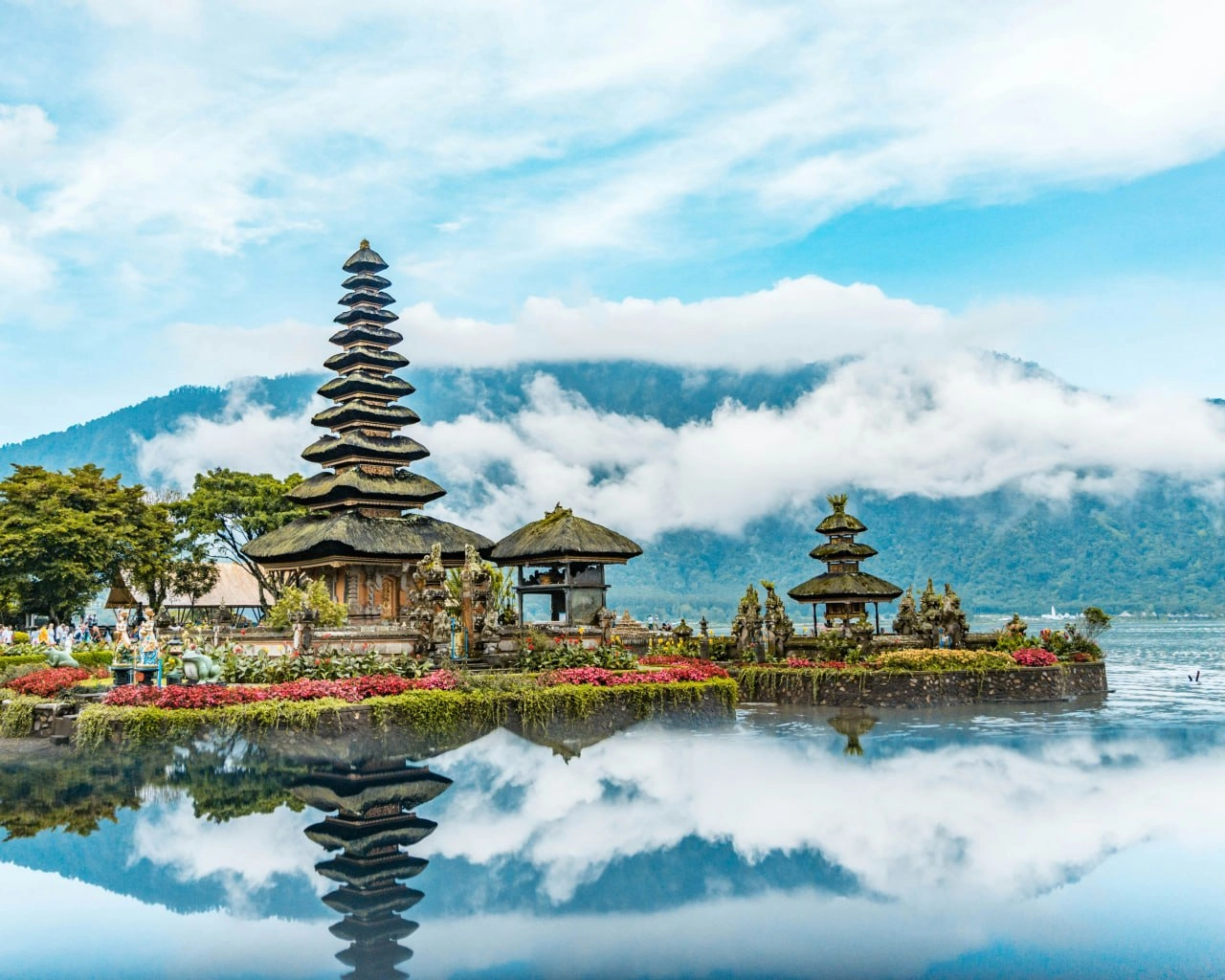
Lake Batur, a crater lake in northeastern Bali, provides another trekking destination. The volcanic terrain surrounding this lake creates a primordial landscape, and the lake itself offers thermal hot springs. Lake Bratan, in central Bali, features the picturesque Ulun Danu Bratan Temple, where the structure appears to float on the water one of Bali's most photographed sites.
The Best Time to Visit
Bali's tropical climate follows two primary seasons. The dry season, extending from April through October, represents the optimal period for most visitors. During these months, rainfall diminishes, skies clear, and daytime temperatures hover around 28 32 degrees Celsius. Within this window, June through August marks peak season when prices ascend and crowds intensify, particularly around school holidays in Western countries.
The wet season, November through March, brings daily afternoon rainfall and higher humidity. However, this shoulder season offers distinct advantages: significantly reduced prices, fewer tourists, and the dramatic beauty of a landscape saturated with moisture rice paddies achieve their most vibrant green during this period. November and March represent excellent compromise months, offering decent weather with minimal crowds.
Balinese festivals, particularly Nyepi (the Hindu New Year), create unique cultural experiences. Nyepi typically falls in March and involves an island wide day of silence and meditation, when even airports close. This unusual celebration attracts culturally curious travelers and offers profound insight into Balinese spiritual practice.
Practical Essentials for the Luxury Traveler
Currency and Financial Considerations
The Indonesian Rupiah (IDR) serves as Bali's currency. Exchange rates typically hover around 15,500 16,500 IDR per USD, though rates fluctuate. While Bali's primary tourist areas accept credit cards, carrying some Rupiah cash proves invaluable, particularly in local restaurants and shops. The favorable exchange rate makes Bali exceptionally good value a meal at a sophisticated restaurant might cost one third of comparable establishments in Western cities.
Visa Requirements and Government Information
Most Western nationals qualify for Indonesia's Visa Free Entry scheme, allowing 30 day stays without advance visa application. Citizens of approximately 190 countries receive automatic visa free entry upon arrival.
However, travelers requiring visas or planning stays exceeding 30 days should visit the official Indonesian government immigration website at www.imigrasi.go.id. This portal provides comprehensive visa information, including:
Tourist Visas (B211A) valid for 60 days, requiring advance application Social Visas, Business Visas, and other visa categories Visa extension procedures
The Indonesian government also maintains an official tourism site at www.indonesia.travel, providing updated travel regulations, safety information, and cultural guidance.
For current visa requirements by nationality, the Indonesian Ministry of Foreign Affairs website (kemlu.go.id) maintains country specific information and embassy contact details.
Travelers should verify visa requirements and regulations before travel, as immigration policies occasionally change. The Indonesian embassy in your home country provides authoritative guidance.
The Balinese Experience: Beyond Tourism
What elevates Bali beyond merely another tropical destination is the genuine warmth and spiritual grounding of Balinese culture. Luxury travelers who venture beyond resort confines discover a island where tradition remains embedded in daily life. A morning spent learning traditional dance in a private studio, an afternoon attending a local temple ceremony, or an evening learning to prepare traditional cuisine from a Balinese family creates memories that transcend typical tourist photography.
The island's artistic heritage runs deep. Balinese artists whether painters, sculptors, or textile artisans maintain traditions stretching back centuries while simultaneously engaging with contemporary artistic movements. Staying in artist owned villas or supporting local craftspeople through studio visits ensures tourist dollars directly support communities rather than distant corporations.
Conclusion
Bali represents something increasingly rare: a luxury destination that has maintained authenticity despite decades of tourism development. For the discerning traveler, the island offers an intoxicating blend of spiritual depth, natural beauty, artistic richness, and sophisticated hospitality. Whether your desire involves spiritual transformation, cultural immersion, family adventure, or simple relaxation in world class comfort, Bali accommodates with grace.
The island's enduring magic lies in its refusal to choose between tradition and modernity, between accessibility and luxury, between tourist convenience and authentic experience. In Bali, these apparent contradictions coexist peacefully, creating an environment where luxury travelers discover not merely a destination, but a transformation.
Location Map
Interdum et malesuada fames ac ante ipsum
Most Popular Tour
Interdum et malesuada fames ac ante ipsum
