
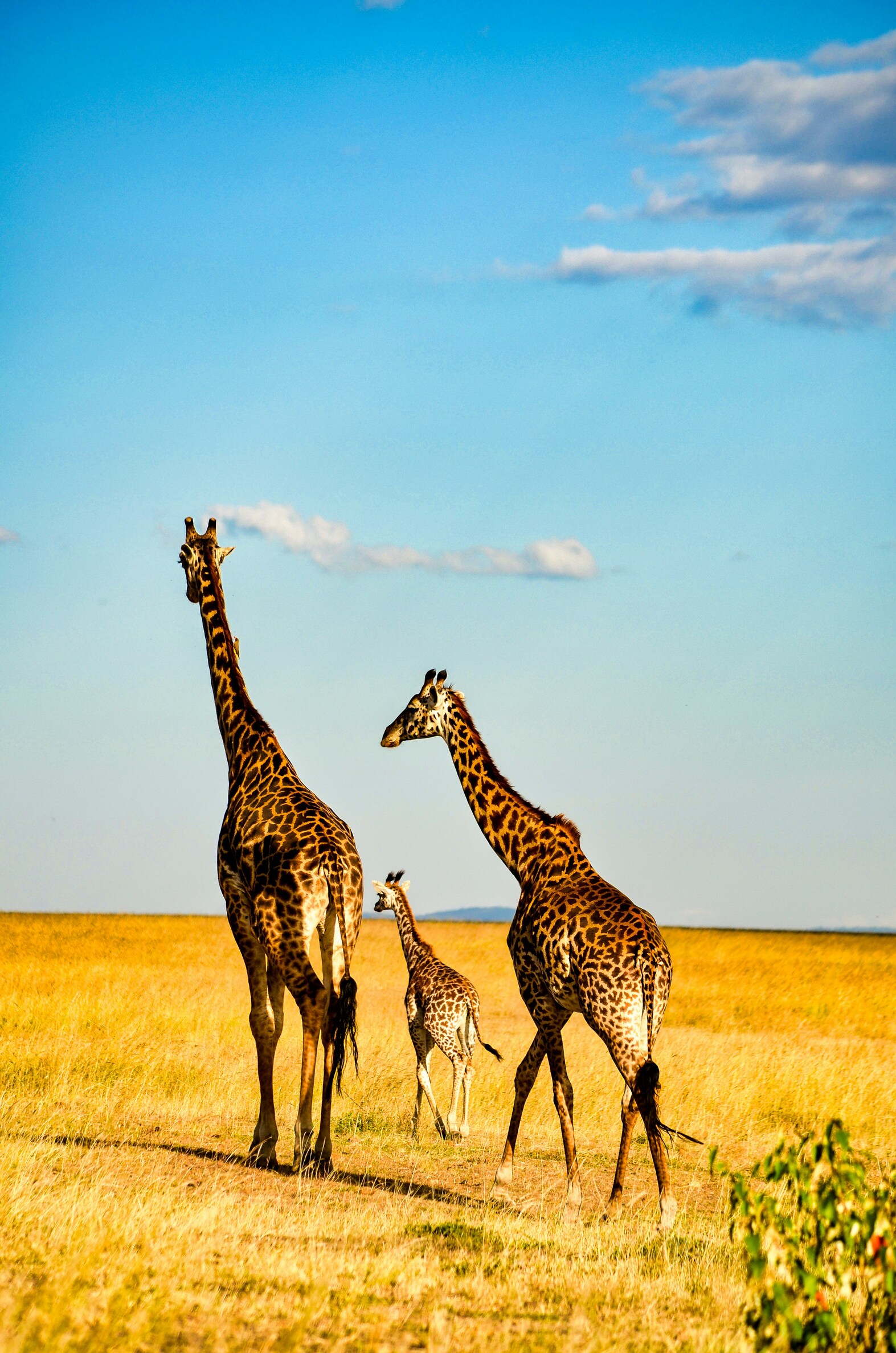
Most people planning a Kenya safari will tell you to wait. Wait for the dry season, they say. Wait for July. Wait for the migration. April, in the conventional safari wisdom, is something to be avoided — the long rains are here, the grass is tall, and the roads can turn to mud overnight. It is the off-season, and off-seasons, the logic goes, are for staying home.
Those people are missing out on something extraordinary.
April in the Masai Mara is not the Mara you see on television. The golden, sunbaked savannah of the high season gives way to something almost impossibly green, a landscape so alive it barely looks real. The plains roll out in every direction under skies that shift from heavy grey to blazing gold within the span of an afternoon. The air smells like rain and soil and something wild that is very difficult to put into words once you have breathed it. It is the Mara at its most dramatic, and most travellers never see it.
The crowds, which can be significant during peak season, are gone. Game drives in July and August often mean sharing a sighting with a dozen vehicles. In April, you may find yourself alone with a pride of lions for twenty minutes without another vehicle in sight. The guides have more time to talk, the camps are quieter, and the entire experience feels personal in a way that peak season simply cannot replicate. For photographers, the low-angle light after a shower and the rich green backdrop produce images that look nothing like the standard safari postcard, in the best possible way.
The wildlife does not disappear in April. It changes. This is calving season across much of the Mara ecosystem, which means the plains are full of young animals taking their first uncertain steps, zebra foals, wildebeest calves, impala lambs finding their legs in the tall grass. Predators are active and well-fed. Elephant families move through the landscape in large, relaxed herds. The birdlife reaches its peak as migratory species arrive, and the Mara becomes one of the finest birding destinations on the continent. If you have any interest in birds at all, April will rearrange your expectations entirely.
The rains themselves are worth understanding rather than fearing. The long rains in Kenya do not typically mean all-day downpours. They tend to come in concentrated bursts, often in the late afternoon or evening, and the mornings are frequently clear and cool — ideal game-drive conditions. A good operator will plan your day around the weather patterns rather than against them, and you will rarely lose more than a few hours to rain across an entire trip. The roads are muddier, yes, but any reputable camp will have vehicles suited to the conditions.
There is also the matter of value. April rates at most Mara properties are significantly lower than high season, sometimes by forty or fifty percent, without any meaningful reduction in the quality of the experience. The guides are the same. The wildlife is there. The sunsets are, if anything, more spectacular. You are simply paying less to experience something that a smaller number of travellers ever choose to see.
The Masai Mara is one of the great wild places on this planet, and it earns that reputation in every season. But April is the season that asks something of you a willingness to set aside received wisdom and trust that the destination knows what it is doing. The travellers who accept that invitation consistently say the same thing when they return: they did not expect it to be that beautiful.
Xtreme Republic runs Masai Mara green season safaris throughout April and May, with private and small-group itineraries designed around the conditions and what is happening on the ground. If you want to see the Mara the way most people never do, this is the window. Reach out and we will put something together for you.


